Bollo Lane gardeners for narrow front gardens in Gunnersbury
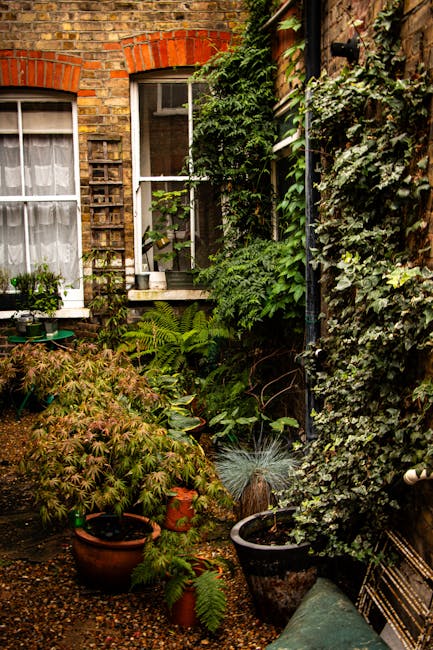
If you live near Bollo Lane and your front garden feels more like a corridor than a garden, you are not alone. Narrow front spaces in Gunnersbury can be awkward: too small for anything dramatic, yet still visible enough that every messy edge, tired plant, or cracked path seems to shout for attention. The good news is that the right Bollo Lane gardeners for narrow front gardens in Gunnersbury can turn that tight strip into something neat, welcoming, and genuinely useful.
This guide explains how narrow-front-garden work actually happens, what good gardeners look at first, and which design choices make the biggest difference. We will also cover common mistakes, practical maintenance tips, and the kind of planning that helps a compact space feel calmer rather than cluttered. To be fair, small spaces can be the hardest to get right - but they can also be the most satisfying.
And yes, a narrow garden can still have personality. It just needs a bit of thought. Not everything has to be planted to the rafters, thankfully.
Why Bollo Lane gardeners for narrow front gardens in Gunnersbury Matters
Narrow front gardens have a strange job. They are small, but they do a lot. They frame the front of your home, affect kerb appeal, influence how easy it is to get in and out, and often set the tone for the whole property. In a busy local setting like Gunnersbury, where streets can feel compact and parking, foot traffic, and everyday wear all compete for space, that front strip needs to work hard.
That is why local experience matters. Bollo Lane gardeners for narrow front gardens in Gunnersbury understand that this is not just about putting in a few plants. It is about proportion, access, drainage, light, privacy, and maintenance. A narrow garden can become overgrown very quickly if it is planted the wrong way, and once that happens it tends to stay messy. Bit unfair, really, but that is the reality.
Good design solves a handful of common problems at once:
- it makes the space feel wider and less boxed in;
- it keeps the entrance clear and practical;
- it reduces ongoing maintenance pressure;
- it improves the appearance of the property from the street;
- it can help with privacy without making the space gloomy.
There is also a trust factor here. A small front garden is visible every single day, so mistakes are hard to ignore. Sloppy edging, poor planting choices, or a layout that blocks the path can affect how you feel about your home. On the other hand, a tidy and well-structured front space gives a quiet little lift each time you come back through the gate.
Expert summary: In narrow front gardens, the best results usually come from restraint, not excess. The right gardener will protect circulation space first, then shape planting around light, proportions, and maintenance rather than simply filling every gap.
How Bollo Lane gardeners for narrow front gardens in Gunnersbury Works
The process usually starts with a proper look at the space as it is, not as you wish it were. That sounds obvious, but it matters. Narrow front gardens often hide small problems that become big ones: compacted soil, shade from the house, patchy drainage, awkward access, or a layout that has slowly become cluttered over time.
From there, a good gardener will typically work through a practical sequence:
- Measure and assess the footprint. Width, depth, and the route from gate to door all shape what is possible.
- Check light and shade. A north-facing or partly shaded strip needs a very different planting palette from a sunny one.
- Review the current hard landscaping. Paths, edging, steps, and walls often matter more than the planting itself.
- Decide what should stay and what should go. In tiny spaces, editing is often the first design tool.
- Choose a layout that protects movement. You want easy access without brushing past thorny shrubs or squeezing around pots.
- Build in maintenance reality. If it needs constant clipping to remain presentable, it may not be the right choice for a narrow frontage.
That last point is worth pausing on. Let's face it: a front garden can look lovely in April and mildly chaotic by July if the planting plan is too ambitious. So the best work is not just pretty on day one. It is sustainable across the year. That is what separates a decent job from a frustrating one.
In practical terms, the work may involve soil improvement, re-edging beds, replacing broken paving, reducing overcrowded shrubs, installing low-growing plants, or creating a tighter structure with containers, simple borders, and clean lines. Depending on the condition of the space, it may also link naturally with garden maintenance or a broader refresh through landscaping.
If the garden is heavily cluttered or full of dead growth, it can make sense to start with garden clearance before any finer design work begins. That is usually the sensible order. A bit boring maybe, but effective.
Key Benefits and Practical Advantages
People usually think about front-garden work in visual terms first. Fair enough. But with narrow front gardens, the practical gains can be just as important as the appearance.
- More usable space: A slim garden that is thoughtfully arranged feels less cramped and easier to move through.
- Better first impression: A neat frontage makes the whole property feel better cared for.
- Lower maintenance burden: Choosing the right planting and hard finishes can reduce weekly upkeep.
- Improved safety: Clear paths, stable edges, and sensible plant placement reduce trip hazards and awkward squeezes.
- Better privacy: Carefully placed shrubs or screening can soften views without blocking light completely.
- Seasonal interest: Even a tiny front garden can have year-round texture, colour, and shape.
There is also a psychological benefit that gets overlooked. A tidy front garden changes how you arrive home. It sounds small, but those small things add up. You see order instead of clutter. A clear line. A proper edge. Maybe a few well-chosen plants catching the light in the morning. It makes a difference.
For some homes, a narrow frontage also becomes an opportunity. Instead of trying to force in a traditional lawn or a fussy mixed border, you can create a minimalist layout that looks intentional. That often works far better in a compact urban setting than trying to recreate a large suburban garden in miniature.
Who This Is For and When It Makes Sense
This kind of specialist work is for anyone who wants a front garden that looks smart without becoming high-maintenance or awkward to use. That includes homeowners, landlords, and people preparing a property for sale or letting. If the garden sits close to the pavement, the gate, or the house entrance, the margin for error is very small.
It especially makes sense if you recognise any of the following:
- the space is narrow and awkwardly shaped;
- the garden gets little sun and the planting keeps failing;
- you want a tidy frontage but do not have much time for maintenance;
- the current layout feels cluttered, dark, or unbalanced;
- you need the path to stay clear for pushchairs, shopping, or day-to-day access;
- you want a more polished look without a full rebuild.
It can also be the right move if you have tried a quick DIY refresh and it did not quite work. Happens all the time. A few plants bought on a Saturday, maybe some compost, then suddenly the space looks busier rather than better. That is not a failure; it just means the site needs a more considered plan.
And if your frontage is already in good shape, a specialist gardener can still help refine it. Small tweaks - better edging, a cleaner planting line, a more appropriate shrub choice - can make a bigger difference than people expect.
Step-by-Step Guidance
Here is a practical way to think about improving a narrow front garden in Gunnersbury, whether you are planning the work yourself or briefing a professional.
1. Start with the route, not the plants
The first job is to protect the route from gate to door. In a narrow space, that path is everything. If the route feels awkward, the garden will feel awkward. Keep enough width for everyday movement, and avoid forcing people to step into beds just to pass through.
2. Remove clutter and overgrowth
Old pots, broken edging, self-seeded plants, and tired shrubs can make a narrow space feel even smaller. Once they are gone, the garden usually looks larger straight away. It is a bit of a magic trick, really - but a simple one.
3. Sort the structure
Before choosing plants, look at the bones of the space. Are the edges straight and tidy? Is the path sound? Are the borders too wide? Good structure gives the eye a place to rest, which is especially important in compact gardens.
4. Choose planting that fits the scale
Use plants that grow with discipline. Loose, sprawling growth can overwhelm a narrow garden very quickly. Repetition usually works well here: a few reliable species repeated in rhythm often looks calmer than a crowded mix of different plants.
5. Build height carefully
Vertical interest helps, but it should be controlled. A trellis, a slim shrub, or a wall-trained climber can add depth without swallowing the space. The goal is height with light, not a green tunnel.
6. Finish with mulch, edging, and a final tidy
These finishing touches do more than people think. They sharpen the lines, protect the soil, and make the garden feel deliberate. A clean edge can make even a modest frontage look professionally done.
If you are choosing between a quick tidy-up and a full redesign, ask yourself one question: do you want this to look better for a week, or better for a year? That usually answers it.
Expert Tips for Better Results
A few small decisions can dramatically improve a narrow front garden. These are the sort of details that experienced gardeners tend to notice first.
- Keep repetition. Repeated shapes and plants create calm in tight spaces.
- Use pale or reflective hard surfaces carefully. They can help brighten shaded fronts, but too much can feel stark.
- Prefer low-maintenance planting near the entrance. The front door zone should not become a clipping and trimming obstacle course.
- Think in layers, not rows. A narrow bed still needs depth, just not chaos.
- Avoid oversized pots unless they earn their place. One good container is better than three that crowd the path.
- Choose plants for local conditions. Shade, pollution, wind, and reflected heat from walls all matter.
There is another quiet trick: leave some breathing room. People often assume every gap must be filled. Not so. Empty space, if planned properly, is part of the design. It makes the garden read as intentional rather than packed.
And here is a practical local note. In urban London streets, dust, traffic, and footfall can all affect the look of the frontage faster than you expect. If the space is close to the road, choose finishes and plants that can take a bit of everyday wear without looking miserable after one windy week.
You will notice the difference most on dull days. A good narrow garden still looks tidy when the weather is grey and the street feels a bit hurried. That is the test, honestly.
Common Mistakes to Avoid
Narrow front gardens punish bad choices faster than larger ones. A small mistake takes up a larger share of the whole view. So it is worth dodging the usual traps.
- Overplanting: Too many plants make the space feel smaller and are harder to maintain.
- Choosing bulky species: Large shrubs can quickly dominate a slim frontage.
- Ignoring access: A pretty layout that is awkward to walk through is not a good layout.
- Using too many materials: Multiple paving colours, edging styles, and containers can make the area look busy.
- Forgetting drainage: Compact front gardens can suffer from puddling and soil compaction.
- Letting the front edge go soft: A blurred boundary can make the whole property look untidy.
Another common issue is trying to copy a larger neighbour's garden on a smaller footprint. It rarely works. A narrow front garden needs a tailored approach, not a scaled-down version of something designed for a bigger plot.
Also, do not underestimate how fast maintenance can build up. One overenthusiastic climber and suddenly you are on the ladder every few weeks, muttering at the top growth. Not ideal.
Tools, Resources and Recommendations
For this type of work, the best tools are the ones that help with precision and control. You do not need everything under the sun. You need the right things in the right order.
| Task | Useful tools or materials | Why it helps in a narrow front garden |
|---|---|---|
| Cutting back overgrowth | Pruners, hedge trimmers, pruning saw | Gives the space back without damaging nearby features |
| Cleaning edges | Edging spade, hand fork, string line | Sharp lines make compact spaces feel neater and wider |
| Refreshing soil | Compost, mulch, soil improver | Improves planting health in tired or compacted beds |
| Improving structure | Small trellis, low fencing, tidy containers | Adds height without crowding the path |
| Ongoing care | Lightweight mower, shears, watering can | Keeps upkeep manageable and quick |
Where a project needs more than a tidy-up, it may make sense to combine services. For example, a front garden with stubborn hedging or boundary growth may benefit from hedge trimming, while overgrown trees close to the frontage may need careful attention from tree lopping and removal. If the aim is a fuller redesign, landscape gardening can help bring the whole frontage into one coherent plan.
For homeowners who like the idea of a more efficient long-term routine, the right mix often includes a simple maintenance plan, a seasonal tidy, and a clear understanding of what the space can realistically support. That is usually enough. No need to make it complicated.
Law, Compliance, Standards, or Best Practice
Most front-garden work in a domestic setting is straightforward, but there are still a few best-practice points worth respecting. These are not dramatic legal hurdles in most cases; they are the sensible basics that keep the work safe, neighbourly, and durable.
Good practice usually includes:
- Working safely around paths and entrances: Any temporary obstruction should be managed carefully so people can still move about without risk.
- Respecting shared boundaries: If planting, trimming, or clearing near a wall, fence, or boundary line, it is wise to be clear about what belongs where.
- Considering drainage and runoff: Changes to surfaces or soil levels should not create water issues for the property or nearby walkway.
- Using suitable equipment and safe work methods: Especially where ladders, cutting tools, or heavy clearance are involved.
- Checking access arrangements: If work needs access through a side gate, front drive, or shared passage, that should be agreed in advance.
If a job involves waste removal, disposal should be handled responsibly. Many clients also prefer contractors who think about recycling and reuse where possible. You can see how a business approaches that kind of work through its recycling and sustainability approach, as well as its health and safety policy and insurance and safety information.
It is also sensible to understand how pricing, payment, and scope are handled before any work begins. Clear terms save a lot of awkwardness later. Nobody enjoys a surprise bill, least of all on a rainy Tuesday.
Options, Methods, or Comparison Table
There are a few different ways to improve a narrow front garden, and the right choice depends on the condition of the space, your budget, and how much maintenance you want to take on afterwards.
| Approach | Best for | Pros | Trade-offs |
|---|---|---|---|
| Light tidy and re-edge | Gardens that are basically sound but messy | Quick, affordable, and immediately improves appearance | Won't solve deeper layout or planting issues |
| Planting refresh | Spaces that look tired but already function well | Improves colour, structure, and seasonal interest | Still needs regular maintenance |
| Full redesign | Very awkward, overgrown, or poorly laid out front gardens | Can transform the whole feel of the property | Takes more planning and usually more budget |
| Maintenance-led approach | Busy households and landlords | Low stress, keeps the frontage presentable year-round | Less dramatic change than a redesign |
In real life, many homeowners land somewhere between a tidy-up and a redesign. That is often the sweet spot. A few structural changes, some smarter planting, and then regular upkeep. Not flashy, but effective. And honestly, effective is what people usually want.
Case Study or Real-World Example
Here is a realistic example based on the kind of narrow front garden work that comes up around Gunnersbury.
A homeowner wanted a better first impression without turning the front of the property into a full design project. The garden was narrow, partly shaded, and cluttered with a few overgrown shrubs, uneven edging, and several pots that had slowly multiplied over time. The path still worked, but only just.
The job began with clearance and simplification. The old shrubs were reduced, weak plants were removed, and the path edge was cleaned up. The planting plan then focused on a small number of restrained, repeating plants rather than a mixed jumble. A trellis provided a little height against the wall, but not enough to overpower the space. The front border was narrowed slightly, which gave the path breathing room.
The biggest change was not one dramatic feature. It was the sense of order. The garden looked wider because it was less busy. The entrance felt easier to use. The owner said the place suddenly felt "finished," which is a very nice word in this context. Not perfect, just finished. That is often the real goal.
As with many compact urban gardens, the ongoing plan was simple: a light seasonal tidy, occasional pruning, and quick checks after windy weather. No heroic effort required.
Practical Checklist
Use this quick checklist if you are planning work on a narrow front garden in Gunnersbury.
- Measure the available width and keep the access route clear.
- Check how much sun, shade, and wind the garden receives.
- Remove clutter, dead growth, and anything that no longer earns its place.
- Decide whether the space needs maintenance, a refresh, or a full redesign.
- Choose plants that stay in scale with the frontage.
- Keep the design simple enough to maintain properly.
- Make sure edges, paths, and borders are neat and functional.
- Consider whether hedge trimming, clearance, or tree work is needed first.
- Use durable materials that suit a busy urban setting.
- Plan for regular upkeep so the garden stays tidy after the initial work.
Quick takeaway: if the space is small, every choice matters more. Keep it clear, keep it balanced, and keep it maintainable. That is the whole game, really.
Get a free quote today and see how much you can save.
Conclusion
Bollo Lane gardeners for narrow front gardens in Gunnersbury are not just there to make a small space look prettier. They help solve the practical puzzle of making a tiny frontage feel open, tidy, and easy to live with. That means better layout, better planting choices, cleaner lines, and a plan that makes sense after the first week has passed.
If your front garden has started to feel cramped, messy, or simply hard to manage, you do not need to accept that as normal. A thoughtful approach can make the space feel lighter and far more welcoming. And in a neighbourhood setting, that quiet improvement goes a long way.
Small garden, big difference. Funny how often that turns out to be true.
Frequently Asked Questions
What makes narrow front gardens different from regular gardens?
Narrow front gardens have less room for error. The path, border width, plant size, and overall balance all matter more because the whole space is visible at once. A strong design keeps movement easy and avoids overcrowding.
Can a narrow front garden still look attractive?
Absolutely. In fact, narrow front gardens often look best when they are simple and well edited. Clean edges, repeated planting, and a clear route to the door can make the space feel elegant rather than cramped.
How do gardeners make a small frontage feel wider?
They usually keep the layout uncluttered, use restrained planting, sharpen the edges, and avoid bulky features that interrupt the eye. Sometimes removing a few oversized plants makes the biggest difference of all.
Is a full redesign always necessary?
No. Some narrow front gardens only need a tidy-up, re-edging, and a smarter planting plan. A full redesign makes sense when the current layout is awkward, overgrown, or difficult to maintain.
What plants work well in a narrow front garden?
Plants that stay compact, tolerate local conditions, and do not spread aggressively are usually best. Repetition often works better than a large mix. The right choice depends on shade, sun, and how much upkeep you want.
How often will a narrow front garden need maintenance?
That depends on the planting and how formal the design is. Some spaces need only seasonal work, while others benefit from lighter but more regular attention. If the layout is simple, upkeep is usually much easier.
Do I need clearance before garden work starts?
If the garden is heavily overgrown or full of dead material, yes, clearance first is usually the sensible move. It gives a clearer picture of the space and prevents design decisions being made around clutter.
Can hedge trimming help with a narrow front garden?
Yes, if the boundary planting is making the frontage feel tight or dark. A careful trim can restore light and open up the space, but it should be done with the overall shape of the garden in mind.
What is the biggest mistake people make with small front gardens?
Overfilling them. People often try to include too many plants, pots, and features, which makes the space feel smaller and harder to maintain. Simpler usually wins here.
How do I know whether I need a gardener or a landscaper?
If the space mainly needs trimming, tidying, and planting care, a gardener is often enough. If you want to change the layout, hard surfaces, or overall structure, landscaping may be the better fit.
Is it worth improving a front garden if it is very small?
Yes. Very small front gardens can still have a big effect on the feel of a home. Even modest improvements can make the property look better cared for and easier to enjoy every day.
What should I ask before booking work on my front garden?
Ask how the space will be assessed, what the priorities are, whether any clearance is needed first, and how maintenance will be handled afterwards. It also helps to ask about pricing, safety, and any recycling or disposal approach.