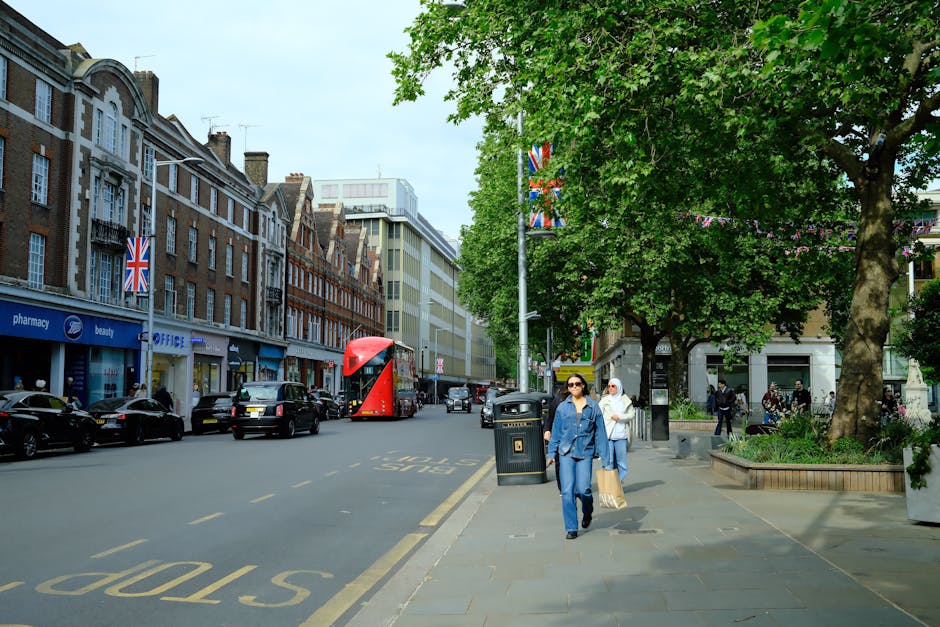
Brentford High Street Commercial Gardeners for Shops in Gunnersbury
If you manage a shop in Gunnersbury, you already know the first impression starts before anyone reaches the door. A tidy frontage, healthy planters, clean paving edges, and well-kept shrubs can make the whole place feel cared for. That is where Brentford High Street commercial gardeners for shops in Gunnersbury come in. The right team keeps your exterior looking consistent, safe, and welcoming without turning it into a hassle for staff or customers.
For many retail businesses, garden care is not about "beautifying" for the sake of it. It is about presentation, safety, and routine. Wind-blown litter, patchy lawns, overgrown borders, blocked sightlines, and tired planting all send the wrong message. This guide explains how commercial shop gardening works, what to expect, and how to choose a service that fits the pace of a busy local business. It also covers practical detail that people often miss until the weeds are already winning. Happens fast, honestly.
Table of Contents
- Why Brentford High Street commercial gardeners for shops in Gunnersbury Matters
- How Brentford High Street commercial gardeners for shops in Gunnersbury Works
- Key Benefits and Practical Advantages
- Who This Is For and When It Makes Sense
- Step-by-Step Guidance
- Expert Tips for Better Results
- Common Mistakes to Avoid
- Tools, Resources and Recommendations
- Law, Compliance, Standards, or Best Practice
- Options, Methods, or Comparison Table
- Case Study or Real-World Example
- Practical Checklist
- Conclusion
- Frequently Asked Questions
Why Brentford High Street commercial gardeners for shops in Gunnersbury Matters
Retail landscaping is easy to underestimate. People notice it subconsciously before they ever think about it directly. A neat entrance, fresh seasonal planting, and regular maintenance tell customers the shop is open, active, and looked after. That matters on a street where people are choosing, at a glance, whether to step inside or keep walking.
For shops in and around Gunnersbury, the outdoor area often has several jobs at once. It has to look attractive, not interfere with foot traffic, stay manageable through the seasons, and hold up to real London weather. Rain, shade, compacted soil, pollution, and footfall all take a toll. Let's face it, a plant bed beside a busy pavement is not a country garden. It needs commercial-grade care, not occasional attention when someone has time.
Commercial gardeners working with local shops also understand that timing matters. Early mornings, quiet midday windows, or scheduled weekly visits may be better than ad hoc work that disrupts customers or deliveries. A good service works around your trade rather than dragging you into theirs.
If you are already comparing options, it helps to look beyond the obvious "mow and tidy" approach. Many businesses use a broader mix of services from the full services overview, including maintenance, hedge care, clearance, and larger landscape improvements. That broader view is often where the real long-term value sits.
How Brentford High Street commercial gardeners for shops in Gunnersbury Works
Commercial garden care for shops usually starts with a site review. The gardener looks at the frontage, planting areas, path edges, drainage, visibility, any awkward access, and how the space is used day to day. A shop entrance with hanging baskets, planters, and a small strip of soil needs a very different approach from a retail unit with a larger boundary bed or communal frontage.
From there, the work is usually built into a repeat schedule. That might mean weekly or fortnightly visits for mowing and edging, monthly hedge maintenance, seasonal planting swaps, or one-off clearances when the space has got out of hand. The point is consistency. One-off attention can help, but if the site keeps being neglected, it will always slide back.
Most commercial gardening work for shops includes a combination of visible and preventative tasks. Visible tasks are the bits customers see: weed removal, pruning, sweeping, lawn care, and freshening up planters. Preventative tasks are the quiet helpers: soil conditioning, checking drainage, removing dead growth before it spreads, and stopping hedges from becoming a maintenance headache later on. A little boring, perhaps. Very effective though.
For more intensive jobs, such as renovation, reshaping beds, or improving a tired frontage, businesses may combine routine care with landscape gardening or landscaping. That gives you a cleaner long-term structure instead of just chasing problems every few weeks.
Key Benefits and Practical Advantages
There are plenty of reasons shop owners invest in commercial gardening, but the practical ones matter most. A good exterior should support the business, not just decorate it.
- Better curb appeal: Clean planting and tidy edges help the shop look open, reliable, and cared for.
- Safer access: Clear walkways, trimmed growth, and removed debris reduce avoidable trip and snag risks.
- More consistent presentation: Customers see the same standard every week, not a feast-or-famine cycle of neglect and emergency tidying.
- Less disruption for staff: Outsourcing the work frees employees to focus on customers and stock.
- Longer-lasting planting and surfaces: Routine care protects the life of what you already have, which saves rework later.
- Seasonal adaptability: Good gardeners know when to refresh, reduce, mulch, replant, or pause depending on the weather and growth rate.
There is also a subtler benefit: confidence. When a shop front looks intentional, the whole business feels more intentional. Customers do not always say it out loud, but they do respond to it.
If your frontage includes lawns, edges, or small grassed sections, a regular schedule of lawn mowing helps keep the space crisp and visually stable. If the site has hedges or screening planting, hedge trimming can make a surprisingly big difference to both appearance and light.
Who This Is For and When It Makes Sense
This service is a strong fit for independent shops, convenience stores, cafes with frontage planting, boutique retailers, off-licences, salons, and mixed-use units that want a cleaner street presence. It also suits landlords and managing agents who need external spaces kept presentable for tenants. If a customer can see it before they enter, it counts.
It makes sense when the outdoor area is being noticed, used, or judged by the public. That includes planters outside the door, side entrances, boundary beds, rear access routes, and any shared frontage that still reflects on your business. A lot of people assume gardening is only about gardens. Not really. It is about the impression your space makes.
You should also think about commercial gardening if your team keeps "just dealing with it" in small bits and the job keeps slipping. That usually means the site needs a proper maintenance schedule rather than informal tidy-ups. If the hedge is always touching the sign, the weeds keep coming back, or the planters look dry by Thursday, you probably need a better system.
Where vegetation has become overgrown or waste has built up after a closure, refurbishment, or seasonal lapse, a garden clearance can reset the area before ongoing maintenance takes over. Truth be told, that first clean-up is often the turning point.
Step-by-Step Guidance
If you are organising garden care for a shop in Gunnersbury, it helps to approach it in a simple order. That avoids overbuying services you do not need and missing the jobs that actually matter.
- Walk the site from a customer's point of view. Stand outside and look at what people see first: signs, planters, pavement edges, bins, hedges, and any messy corners.
- Separate maintenance from improvement. Some issues need regular upkeep; others need a one-time fix or redesign.
- List the practical problems. For example, blocked entrances, poor drainage, weeds in paving, overgrown shrubs, litter catch points, or tired planting.
- Decide how often the work should happen. Weekly, fortnightly, monthly, or seasonal depends on how much growth and foot traffic the site gets.
- Choose the right service mix. You may need mowing, pruning, hedge shaping, planting support, or structural landscaping rather than only one recurring task.
- Confirm access, timings, and waste handling. Shops need clear scheduling, clear routes, and minimal mess left behind.
- Review results after the first few visits. Small adjustments to frequency or scope can make the service far more effective.
A realistic example: a shop with two large planters and a narrow frontage might only need light maintenance every two weeks, but a corner site with hedging, lawn strips, and rear access could need a more active schedule. The right answer is site-specific. That's the whole point.
Expert Tips for Better Results
In our experience, the best retail garden spaces are not the most elaborate. They are the ones with the fewest surprises. Clean edges, healthy planting, and a predictable maintenance pattern usually beat dramatic seasonal changes that are hard to keep up with.
First tip: keep planting simple unless you have a strong reason not to. Retail frontage is not the place for high-maintenance experiments. Hardy, reliable planting tends to hold up better in shaded or exposed London spots, especially where soil quality is mixed.
Second tip: use pruning to shape visibility, not just to reduce size. If shrubs start hiding windows, signage, or lighting, the frontage becomes visually heavy. A little light, a little openness, makes the shop feel more welcoming.
Third tip: make sure the work order includes waste removal and a finish standard. "Gardening done" can mean very different things to different people. For a business frontage, you want swept paths, collected waste, tidy edges, and no clippings left where customers tread.
Fourth tip: think seasonally. Spring and early summer can create a burst of growth that makes a site look neglected very quickly, while autumn brings leaves, damp surfaces, and extra debris. Adjust the schedule rather than hoping the same routine fits all year. It rarely does.
If your shop frontage includes lawned sections, regular care from garden maintenance and lawn mowing can keep the space neat without constant one-off interventions. Small adjustments, but they stack up.
Common Mistakes to Avoid
There are a few familiar mistakes that cost shop owners time and money. Most of them are avoidable, which is slightly annoying and also useful.
- Waiting until everything looks bad: By the time the frontage is visibly untidy, the job is often more expensive and disruptive than it needed to be.
- Choosing only on price: Cheapest is not always poor, but if it ignores reliability, timing, or waste removal, it usually becomes expensive later.
- Assuming one visit fixes everything: It might improve things for a week or two, then the site falls back if there is no plan.
- Overcomplicating planting: Fancy seasonal displays are fine if someone has the time and budget to maintain them. If not, keep it practical.
- Ignoring access and safety: Garden work near shop entrances needs clear communication, especially where customers, delivery drivers, and staff all move through the same space.
- Not checking the contractor's insurance and procedures: For commercial work, that basic trust layer matters. No one wants ambiguity if something is damaged or if a site issue appears.
Another common one: asking for "just a quick tidy" when the site really needs a clear maintenance plan. A quick tidy can be fine once. It is not a system.
Tools, Resources and Recommendations
Good commercial gardeners bring more than a mower and a pair of shears. The better the site, the more the tools are matched to the job. For a shop frontage, that might mean edging tools, pruning equipment, blowers for clean finishes, and waste bags or containers that keep the area presentable while work is underway.
For businesses, the most useful "resource" is actually a clear service brief. Keep a simple note of what matters most: customer visibility, low-maintenance planting, access to loading bays, tidy rear areas, or seasonal refreshes. That little bit of clarity can save a lot of back-and-forth.
If you are planning wider improvements, it may help to combine exterior care with landscape gardening or even decking-related upgrades where appropriate, such as decking services. Not every shop needs that, of course. But for hospitality-led or display-heavy businesses, the outside area can become a genuine part of the customer experience.
It is also worth checking practical business information before starting. Pages such as pricing and quotes, insurance and safety, and health and safety policy help set expectations clearly. That sort of transparency is reassuring, and it should be.
Law, Compliance, Standards, or Best Practice
For commercial gardening around shops, compliance is usually less about dramatic legal complexity and more about sensible, documented best practice. Access routes should remain safe. Waste should be handled responsibly. Work should not create unnecessary hazards for staff or customers. If machinery is used, it should be operated carefully and appropriately for a public-facing site.
UK businesses also tend to expect contractors to carry appropriate insurance, work safely near entrances, and avoid leaving trip hazards, loose clippings, or obstructed paths. If the site includes shared access, the standard should be even more careful. It is one thing to work in a private back garden; it is another to operate outside a shop at 9am on a busy street.
Best practice also includes clear communication. Agree the visit times, access arrangements, waste removal approach, and finish standard in advance. If you need regular records or recurring site notes, ask for them. Nothing dramatic. Just tidy, professional process.
Where sustainability matters to your business, you may also want to ask how green waste is dealt with and whether the contractor follows responsible recycling and disposal practices. A useful starting point is the company's recycling and sustainability information. That can tell you a lot about how thoughtfully the service is run.
Expert summary: For shopfronts, the best commercial garden care is usually the least dramatic. Keep the space safe, neat, and easy to maintain, then improve structure gradually rather than chasing constant quick fixes.
Options, Methods, or Comparison Table
Shop owners often choose between basic routine upkeep, reactive tidy-ups, and a more complete commercial maintenance plan. Each has a place, but they solve different problems.
| Approach | Best for | Strengths | Limitations |
|---|---|---|---|
| Reactive tidy-up | Overgrown or neglected frontages | Fast reset, useful after long gaps | Does not prevent regrowth or recurring issues |
| Routine maintenance | Shops that need consistency | Reliable appearance, easier budgeting, less disruption | May need occasional extra work in peak growing seasons |
| Combined maintenance and landscaping | Sites that need improvement as well as upkeep | Improves structure, visibility, and long-term ease of care | Higher initial planning and sometimes a larger upfront investment |
If the site is already in fair condition, routine maintenance is usually the sensible starting point. If you are trying to rescue a frontage that has got away from you, begin with clearance, then move into maintenance. If the space feels tired but structurally workable, a mix of maintenance and improvement may give the best value. Simple enough, really.
Case Study or Real-World Example
A useful example is a small shop frontage with narrow planting beds, a hedge close to the pavement, and a couple of large planters near the entrance. At first glance it looks manageable. In practice, the hedge starts narrowing the visual approach, the planters dry out too quickly, and weeds creep into the edges. Staff keep meaning to sort it, but the weekdays vanish, and the job gets pushed back. Standard story.
The fix was not a dramatic redesign. The shop arranged regular visits, brought the hedge back into shape, simplified the planting, and added a predictable maintenance cycle for the beds and planters. The frontage started looking calmer. More open. Easier to walk past and easier to notice. The owner also stopped spending random staff time on last-minute tidying before deliveries.
That kind of result is common. Not glamorous, but effective. The key lesson is that most shopfronts do not need more creativity. They need less friction.
Practical Checklist
Use this checklist before hiring or scheduling commercial gardening for a shop in Gunnersbury:
- Walk the site at customer eye level.
- Identify the areas people see first.
- Note any trip hazards, blockages, or clutter points.
- Separate routine maintenance from one-off improvement work.
- Confirm access times that will not disrupt trading.
- Ask how waste, clippings, and green debris will be removed.
- Check whether the contractor can handle mowing, trimming, clearance, and broader garden upkeep as needed.
- Make sure the service scope is clear and easy to review.
- Confirm insurance and safety expectations before work begins.
- Review the result after the first couple of visits and adjust frequency if needed.
If you are still at the planning stage, it can also help to read a company's background on about us and its operating terms on terms and conditions. That gives you a cleaner sense of how the service is run before anyone steps onto site.
Conclusion
Brentford High Street commercial gardeners for shops in Gunnersbury play a bigger role than many business owners first expect. They help protect first impressions, keep entrances safe and tidy, and reduce the day-to-day strain on staff who already have enough to juggle. More importantly, they turn the outside of a shop into something dependable rather than something everyone hopes will sort itself out. It won't. Garden spaces need rhythm.
The best approach is usually simple: assess the site honestly, choose the right mix of maintenance and improvement, and keep the work regular enough that problems do not build up. Whether your shop needs mowing, hedge care, clearance, or a more considered landscaping plan, the aim is the same - a frontage that feels calm, clean, and ready for trade.
Get a free quote today and see how much you can save.
And if you get the outside right, funny thing, the whole place starts to feel a bit easier to run.
Frequently Asked Questions
What do commercial gardeners do for shops in Gunnersbury?
They maintain and improve the outdoor areas customers see first. That can include mowing, hedge trimming, border care, weed removal, seasonal tidying, planting support, and larger clearance or landscaping work where needed.
How often should a shop frontage be maintained?
It depends on the site, but many retail frontages benefit from weekly or fortnightly care during active growing periods. Busier, greener, or more exposed sites may need a slightly tighter schedule.
Is garden maintenance for shops different from domestic garden care?
Yes. Commercial work needs to consider customer access, trading hours, safety, presentation, and consistency. The standard is usually more focused on public-facing appearance and operational reliability.
What if the frontage is already overgrown?
A one-off clearance is often the best starting point. After that, a regular maintenance plan helps prevent the same problem from coming back. It is much easier to stay on top of things once the site has been reset.
Can commercial gardeners work around shop opening hours?
Usually, yes. A good commercial gardening service should be able to schedule work to reduce disruption, such as early mornings, quieter trading periods, or agreed non-peak times.
Do I need landscaping, or just maintenance?
If the space is structurally fine but simply untidy, maintenance may be enough. If the layout feels awkward, tired, or hard to keep clean, some landscaping work may be more cost-effective in the long run.
What should I ask before hiring a gardener for my shop?
Ask about the scope of work, visit frequency, waste removal, access arrangements, insurance, and how they handle safety around the public. Clear answers upfront save a lot of faffing later.
Will the gardener remove green waste?
Usually they should, but it is wise to confirm. Commercial sites often generate more clippings and debris than people expect, especially after hedge cutting or clearance work.
How do I know if the service is good value?
Look at reliability, finish quality, communication, and whether the work helps prevent future problems. Value is not just the lowest price. It is the combination of appearance, durability, and convenience.
Can commercial gardening help with safety as well as appearance?
Yes. Clear paths, controlled growth, tidy edges, and prompt removal of debris all help reduce avoidable hazards. For shops, that safety benefit is just as important as the visual one.
What if I only need seasonal help?
That is common. Some businesses only need extra support in spring and summer, or after autumn leaf fall. Seasonal work can still make a big difference if it is timed well.
How can I get started?
Start by identifying the visible problem areas, deciding whether you need clearance, maintenance, or improvement, and then requesting a clear proposal that matches your trading needs. A focused first step is usually the smartest one.