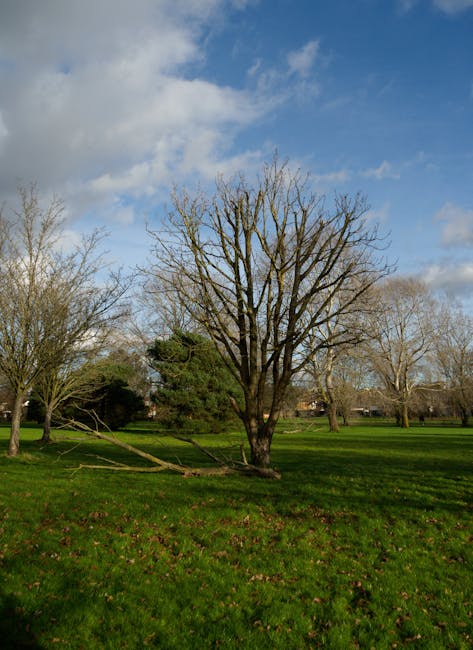
Gunnersbury Park garden maintenance tips from local gardeners
If you live near Gunnersbury Park, you already know the gardens here face a very specific mix of pressures: shaded corners, busy footfall, urban pollution, compacted soil, and weather that can turn from mild to miserable in a day. That is exactly why Gunnersbury Park garden maintenance tips from local gardeners are so useful. They are not abstract ideas from a glossy magazine. They are the sort of practical, street-level advice that helps a garden cope with real London conditions.
In this guide, you will find grounded advice on what works, what to avoid, and how to keep borders, lawns, shrubs, and paved edges looking cared for without wasting time or money. Whether you are maintaining a small front garden, a shared outdoor space, or a larger private plot, the aim is the same: keep things healthy, tidy, and manageable. Truth be told, gardens rarely fail all at once; they drift. A few missed jobs here, a damp patch there, and suddenly everything feels more work than it should.
This article pulls together the kind of guidance local gardeners use every week, plus a few sensible standards for safety, sustainability, and planning ahead. If you want a broader view of the services available, the services overview is a good place to start, and if you want to understand the people behind the work, take a look at the about us page.
Table of Contents
- Why Gunnersbury Park garden maintenance tips from local gardeners Matters
- How Gunnersbury Park garden maintenance tips from local gardeners Works
- Key Benefits and Practical Advantages
- Who This Is For and When It Makes Sense
- Step-by-Step Guidance
- Expert Tips for Better Results
- Common Mistakes to Avoid
- Tools, Resources and Recommendations
- Law, Compliance, Standards, or Best Practice
- Options, Methods, or Comparison Table
- Case Study or Real-World Example
- Practical Checklist
- Conclusion
- Frequently Asked Questions
Why Gunnersbury Park garden maintenance tips from local gardeners Matters
Local advice matters because gardens around Gunnersbury Park do not behave like rural plots. Shadier conditions from mature trees, wind tunnels between buildings, occasional waterlogging, and heavy use from family life or shared access all change what "good maintenance" looks like. A tidy lawn means something different in West London than it does in a sheltered countryside setting.
Local gardeners tend to notice the small things early. They see which corners dry out quickly after a warm spell, which borders struggle after long wet periods, and which hedges respond badly to cutting at the wrong time. That lived-in knowledge is valuable. It saves effort and helps prevent that frustrating cycle of fixing the same problem again and again. Let's face it, nobody wants to keep replacing plants that were never suited to the spot in the first place.
There is also a practical reason these tips matter now. Garden maintenance is easier and cheaper when it is done consistently. A little attention every couple of weeks usually beats a full overhaul later on. Small weeds are simple. Big weeds are a weekend. Same with pruning, edging, and lawn recovery. The job grows teeth if you leave it too long.
For homeowners and landlords who want a reliable, safe, and tidy outdoor space, maintenance should feel planned rather than reactive. That is one reason it helps to understand the basics before booking help or setting up a routine. If you are comparing support options, the page on pricing and quotes gives a clear starting point for thinking through scope and budget.
How Gunnersbury Park garden maintenance tips from local gardeners Works
Garden maintenance is not just one task. It is a linked set of regular jobs that support plant health, presentation, and safety. Local gardeners usually work with the seasons, the layout of the garden, and the type of planting already in place. That means looking at what the garden needs this week, not what a generic calendar says it should need.
In practice, the work often follows a cycle: inspect, tidy, cut back, feed, water, edge, and check again. That sounds simple because it is simple, but the detail matters. For example, a lawn near a shaded fence may need less frequent mowing and more moss control. A flower bed exposed to afternoon sun may need deeper watering rather than more frequent shallow watering. A gravel path may need weed control before surface debris builds up and invites moss.
There is also a judgment call involved. A good local gardener does not just clear everything for the sake of looking busy. They preserve healthy growth, protect nesting wildlife where relevant, and avoid harsh work at the wrong time of year. A hedge trimmed too hard in a nesting period, or a shrub cut back beyond its natural shape, can take months to recover. Sometimes doing less is actually better.
For many gardens near Gunnersbury Park, the smartest approach is a rolling maintenance plan. That means weekly or fortnightly visual checks, seasonal pruning, occasional soil improvement, and deeper jobs like scarifying, mulching, or replanting when needed. If you need a fuller picture of the work scope, the services overview explains how these tasks fit together.
Key Benefits and Practical Advantages
The obvious benefit is a better-looking garden, but that is only the surface of it. Consistent maintenance supports stronger plant growth, fewer pest issues, less mess, and less stress for the person managing the space. That last part is often overlooked. A garden that is under control feels easier to enjoy.
Here are the most useful gains local gardeners focus on:
- Healthier plants: Regular pruning, feeding, and watering help plants recover from stress more easily.
- Better seasonal resilience: Gardens prepared for wet winters and dry spells cope better with London conditions.
- Lower repair costs: Early care reduces the need for major replacement planting or rescue work later.
- Improved safety: Clear paths, trimmed edges, and stable boundaries reduce trip hazards and awkward access issues.
- More usable outdoor space: When beds, borders, and lawns are in shape, the garden becomes somewhere people actually want to spend time.
There is another benefit that sounds small until you live with it: calm. A tidy garden tends to make the whole property feel more settled. You notice it when you open the back door on a grey morning and the space still looks cared for. It changes the mood a bit, honestly.
For customers who care about responsible upkeep, maintenance can also be done with sustainability in mind. Leaf composting, careful green waste disposal, and fewer unnecessary chemicals can all be part of a sensible routine. If that matters to you, see the company's recycling and sustainability page for a more eco-conscious approach.
Who This Is For and When It Makes Sense
This kind of guidance is useful for a wide range of people. In our experience, the people who benefit most are not necessarily the ones with the biggest gardens. It is often the people with busy lives, awkward layouts, or a property that just needs steady attention rather than dramatic landscaping.
It makes sense if you are:
- a homeowner trying to stay ahead of weeds, overgrowth, and patchy grass;
- a landlord wanting the exterior to stay presentable between tenancies;
- a tenant responsible for a shared garden or patio area;
- a family managing a garden used by children, pets, or both;
- someone recovering a neglected outdoor space and not quite sure where to begin;
- a busy professional who needs a reliable routine but not a full redesign.
It is also sensible if your garden has a few awkward features: shaded beds, mature hedging, poor drainage, narrow side access, or a mixture of paving and planting. Those details make a generic plan less useful. A local gardener will usually read the space more accurately because they have seen similar conditions nearby.
And if you are wondering whether to handle things yourself or bring in help, a simple test works well: if the job is taking longer each month and still not improving, the maintenance plan probably needs tightening. That is not a failure; it is just a sign the garden has outgrown the current routine.
Step-by-Step Guidance
If you want the basics done well, follow a clear sequence. It keeps the work efficient and stops you from cleaning the same area twice. Here is a practical method local gardeners often use.
- Walk the garden slowly. Look for weeds, dead growth, broken stems, muddy patches, blocked drains, and any areas that feel uneven underfoot.
- Prioritise safety and access. Clear paths, steps, and entry points first. You want to move through the garden without hopping around like a cautious fox.
- Remove obvious debris. Gather fallen leaves, twigs, litter, and any windblown material before you start cutting or trimming.
- Deadhead and prune carefully. Remove spent flowers and dead stems, then trim shrubs according to their growth habit rather than just shaping them flat.
- Mow or tidy the lawn appropriately. Keep mower blades sharp and avoid cutting too low in dry or shaded areas.
- Weed before you feed. Pull or cut weeds early, especially in borders and paving joints. It is easier now than later.
- Check watering needs. Test the soil. If the top layer is dry but deeper soil still holds moisture, do not overwater out of habit.
- Feed and mulch where useful. Compost or mulch helps soil retain moisture and gives beds a more stable finish.
- Finish with edging and a final sweep. Clean edges make even a modest garden look much more cared for.
A useful habit is to end every maintenance session with a quick reset. Put tools away, check the bins, and glance across the garden from the back door or patio. You will often spot the one area that still looks out of step. That little pause saves more time than people think.
For tasks that involve bigger cutbacks, hedge work, or waste removal, it is sensible to check the company's health and safety policy and insurance and safety information, especially if ladders, sharp tools, or difficult access are involved.
Expert Tips for Better Results
Local gardeners tend to keep a few habits that make the difference between "nearly right" and genuinely tidy. Nothing flashy. Just decent timing, decent observation, and a refusal to rush the wrong job.
1. Work with the garden's microclimates
Even a small garden can have different conditions in each corner. One side may bake in afternoon sun; another may stay damp and shaded all week. Treat those areas differently. Dry borders often do better with mulch and deeper watering, while damp borders need airflow and restraint.
2. Don't fight nature too hard
A shrub that naturally arches should not be forced into a cube just because a hedge trimmer makes it easy. Shape should respect the plant. That sounds a bit fussy, but it avoids the ugly, chopped look that never really recovers.
3. Prune with a reason
Ask yourself: am I pruning for health, for safety, for size control, or for appearance? If you know why you are cutting, you are less likely to overdo it. A lot of bad pruning comes from uncertainty, not carelessness.
4. Keep soil covered where possible
Bare soil dries out, compacts more quickly, and invites weeds. A simple mulch layer can improve stability and help the garden look finished. It is one of those jobs that appears minor and then quietly solves three problems at once.
5. Leave a little margin in your schedule
Garden work gets disrupted by rain, delivery access, holiday periods, and overgrown patches that are nastier than expected. Build a bit of slack into the plan. Otherwise every missed week turns into a small panic. Not ideal.
6. Use a seasonal mindset
Spring is not the only busy period. Autumn leaf drop, winter structural pruning, and summer watering can each become the main event depending on the garden. Think seasonally, not just weekly.
If you want a quick way to judge quality, ask whether the garden still looks natural after the work is finished. A good result should feel settled, not overmanaged.
Common Mistakes to Avoid
Most maintenance problems come from a handful of repeated mistakes. The good news is that once you know them, they are easy to avoid.
- Cutting too much at once: Hard pruning can weaken plants and leave the garden looking raw for weeks.
- Watering on a fixed schedule without checking soil: Some gardens need less water than expected, especially in shaded areas.
- Ignoring drainage issues: If water pools after rain, mowing and tidying alone will not fix the underlying problem.
- Leaving weeds until they seed: That is how a simple border job turns into a recurring nuisance.
- Using the same approach everywhere: Lawns, shrubs, herbs, and paving all need different treatment.
- Skipping cleanup after cutting: Dead material left behind can encourage disease and make the garden look untidy again almost immediately.
One subtle mistake is trying to make a garden look "finished" with a single visit. Real maintenance is usually a rhythm, not a one-off event. A neat garden in March can drift badly by June if nobody keeps an eye on it. That is just how living spaces work.
Another common issue is underestimating access. If tools, waste bags, or ladders have to pass through a narrow side alley or shared entrance, the job needs planning. The company's terms and conditions and contact us page can help set expectations before work begins.
Tools, Resources and Recommendations
You do not need a shed full of expensive gear to keep a garden under control. A smaller, well-chosen toolkit is usually better. To be fair, half the battle is simply using what you already have properly.
Useful tools for routine maintenance often include:
- sharp secateurs for deadheading and light pruning;
- a hand fork or trowel for weeding and edging;
- a rake for leaves, moss, and debris;
- a mower suited to the lawn size;
- hedge shears or a trimmer for controlled shaping;
- gloves that actually fit, which is oddly more important than people expect;
- a watering can or hose with sensible reach;
- bins or bags for green waste separation.
For larger gardens or regular visits, local gardeners often rely on a maintenance plan rather than ad hoc visits. This helps with budgeting, seasonality, and continuity. The pricing and quotes page is useful if you want to compare options with a clear head rather than guessing.
If sustainability is part of your decision-making, ask how green waste is handled, whether compostable material is separated, and whether pruning waste can be reused onsite where appropriate. Responsible disposal is not glamorous, but it matters. A lot.
Finally, if you are choosing a contractor, do not judge only by the first tidy visit. Look for communication, clarity, and how well they explain the work. The best fit is usually the one who listens first and trims second.
Law, Compliance, Standards, or Best Practice
For most domestic gardens, the main practical concern is not legal complexity; it is safe and responsible working practice. That said, there are a few things worth keeping in mind.
Where hedge cutting, tree work, or work near boundaries is involved, timing and wildlife awareness matter. It is wise to avoid disturbing active nesting birds, and to take care with habitats and overgrown areas rather than clearing them blindly. That is standard good practice, even when the job is only a small one.
Health and safety should also be taken seriously. Sharp tools, uneven paving, wet surfaces, trailing hoses, and ladder use are all common garden hazards. A professional approach usually means checking the site before starting, using the right personal protective equipment, and planning waste movement so nobody is carrying heavy bags through awkward spaces in a rush.
If you are commissioning garden work, it is reasonable to ask whether the team follows clear safety processes, carries appropriate insurance, and handles complaints or payment matters transparently. Those things may not sound exciting, but they make a real difference when a job gets more involved than expected. If you want those details in one place, the relevant pages include health and safety policy, insurance and safety, and payment and security.
There is also a broader best-practice point: clear communication. Agree what is being done, what is not being done, and how often visits will happen. That may sound obvious, yet it is where many garden jobs go slightly sideways. Not disastrously. Just annoyingly.
Options, Methods, or Comparison Table
Different gardens need different levels of support. The right choice depends on time, budget, and how much control you want to keep yourself. Here is a simple comparison that helps with decision-making.
| Approach | Best For | Strengths | Limitations |
|---|---|---|---|
| DIY weekly maintenance | Small gardens, confident gardeners, simple layouts | Low direct cost, flexible timing, personal control | Easy to fall behind, can be physically demanding, inconsistent results |
| Monthly professional upkeep | Busy households, rental properties, medium-sized gardens | Reliable finish, routine tidiness, less stress | More cost than DIY, may still need occasional homeowner input |
| Seasonal tidy-ups only | Low-use gardens or properties with limited budgets | Good for visible resets, manageable commitment | Problems can build between visits, more reactive than preventative |
| Full maintenance plan | Established gardens, larger plots, demanding planting schemes | Best consistency, better plant health, easier planning | Higher ongoing commitment and more detailed coordination |
If you are unsure where you sit, start smaller. A modest plan can always be scaled up once you understand how fast the garden changes through spring and summer. Gardens often tell you what they need, if you watch closely enough.
Case Study or Real-World Example
Consider a typical Gunnersbury-side garden with three problem areas: a shaded lawn, a narrow path with moss, and a border that gets battered by wind and leaf fall. It looks fine from a distance, but close up it has that tired, slightly overwhelmed feel that many urban gardens develop.
The first visit focuses on the basics: clearing debris, cutting back straggly growth, removing weeds from paving, and checking the lawn for drainage problems. The second step is gentler. Instead of trying to force the lawn into perfect condition immediately, the gardener lifts mowing height, reduces compaction where possible, and works more on the edges and feeding than on aggressive cutting. Meanwhile the border is thinned just enough to improve airflow, but not stripped bare.
After a few sessions, the change is not dramatic in a flashy sense. It is more satisfying than that. The path feels safer underfoot. The lawn looks steadier. The border stops collapsing into itself. And because the work is paced properly, the garden does not bounce between "neglected" and "overdone."
That is the real win. Steady improvement beats dramatic rescue work most of the time. It is calmer for the owner, calmer for the plants, and frankly calmer for everyone involved.
Practical Checklist
Use this checklist before or during routine maintenance. It is simple, but it catches a lot.
- Walk the garden and note problem areas.
- Clear paths, steps, and entrances first.
- Remove leaves, twigs, and loose debris.
- Weed borders, paving joints, and around pots.
- Deadhead spent flowers and cut back damaged growth.
- Mow lawns at an appropriate height for the season.
- Check whether any plants need staking or support.
- Inspect drainage, damp patches, and moss-prone areas.
- Water only where needed, using soil condition as the guide.
- Add mulch or compost where soil needs protection.
- Bag, compost, or separate green waste responsibly.
- Finish with edging and a final visual check.
Expert summary: the best Gunnersbury Park garden maintenance tips from local gardeners are rarely dramatic. They are about timing, observation, and doing the simple things consistently. Keep the garden tidy enough to stay enjoyable, and flexible enough to cope with London weather. That balance is the sweet spot.
Conclusion
Good garden maintenance near Gunnersbury Park is less about perfection and more about rhythm. If you stay ahead of weeds, protect plant health, and respect the specific conditions of the space, the garden becomes easier to manage and nicer to live with. That is the whole point, really. Not to chase some impossible showroom finish, but to build a space that feels cared for, season after season.
Local gardeners bring useful judgement because they understand how West London gardens behave in real life: shade, rain, compacted soil, awkward access, and the general chaos that comes with everyday use. With the right routine, those challenges become manageable. Even a slightly tired garden can turn around quicker than you think.
If you are planning upkeep, comparing options, or simply want a clearer idea of what professional help might include, review the services overview and related trust pages before deciding what level of support makes sense for your garden.
Get a free quote today and see how much you can save.
And if you are still at the stage of "I just want the place under control again," that is fine too. That is often where the best gardens begin.
Frequently Asked Questions
What are the best Gunnersbury Park garden maintenance tips from local gardeners for a small garden?
Focus on the basics: regular weeding, light pruning, clean edges, and sensible watering. Small gardens can look cluttered quickly, so short, frequent sessions usually work better than occasional big clear-outs.
How often should a garden near Gunnersbury Park be maintained?
Most gardens benefit from weekly or fortnightly checks, with more detailed work done seasonally. In practice, the exact rhythm depends on planting density, shade, lawn size, and how much the space is used.
Is professional garden maintenance worth it for an average London home?
It often is if time is tight or the garden keeps slipping behind. Professional upkeep can reduce stress, improve consistency, and prevent small problems from turning into larger ones. For many homeowners, that trade-off makes sense.
What jobs are usually included in regular garden maintenance?
Typical jobs include mowing, edging, weeding, pruning, deadheading, leaf clearance, hedge trimming, and checking the general condition of beds, borders, and paths. Some visits also include waste removal and seasonal tidying.
What should I avoid when maintaining a garden in a shady area?
Avoid overwatering, cutting lawns too short, and using dense planting without enough airflow. Shaded gardens often need a lighter touch and better drainage awareness than sunnier plots.
Can I keep a Gunnersbury Park garden tidy without using lots of chemicals?
Yes. Many common maintenance tasks can be handled through manual weeding, mulching, careful pruning, composting, and sensible lawn care. That approach is usually kinder to the garden and easier to sustain.
What is the biggest mistake people make with garden maintenance?
Leaving small jobs too long. Tiny weeds, awkward patches, and a little leaf build-up can quickly become a bigger issue. The second biggest mistake is cutting too aggressively when a gentler approach would have worked better.
How do I know whether my garden needs a one-off tidy or ongoing maintenance?
If the space only looks untidy after seasonal weather changes, a one-off tidy may be enough. If it keeps drifting back into disorder, or if planting health is declining, ongoing maintenance is the smarter option.
What should I ask before hiring a local gardener?
Ask what is included, how often visits are recommended, how waste is handled, and whether the work is insured and carried out safely. Clear communication upfront avoids confusion later.
Do local gardeners handle waste responsibly?
Many do, but it is worth confirming. Responsible green waste handling, composting where possible, and sensible disposal are all good signs that the service is being run properly.
How can I compare different maintenance options without getting overwhelmed?
Start by deciding whether you need DIY support, occasional visits, or a full maintenance plan. Then compare what each option covers, how often it happens, and how much input you want to keep yourself. Keep it simple. That helps.
What is the best next step if my garden has become overgrown?
Begin with a clear assessment rather than trying to fix everything in one go. Identify access issues, safety concerns, and the worst problem areas first, then decide whether you need a one-off reset or a longer-term plan.
For straightforward next steps, you can always reach out through the contact us page to discuss the garden's current condition and what level of help would actually be useful.